


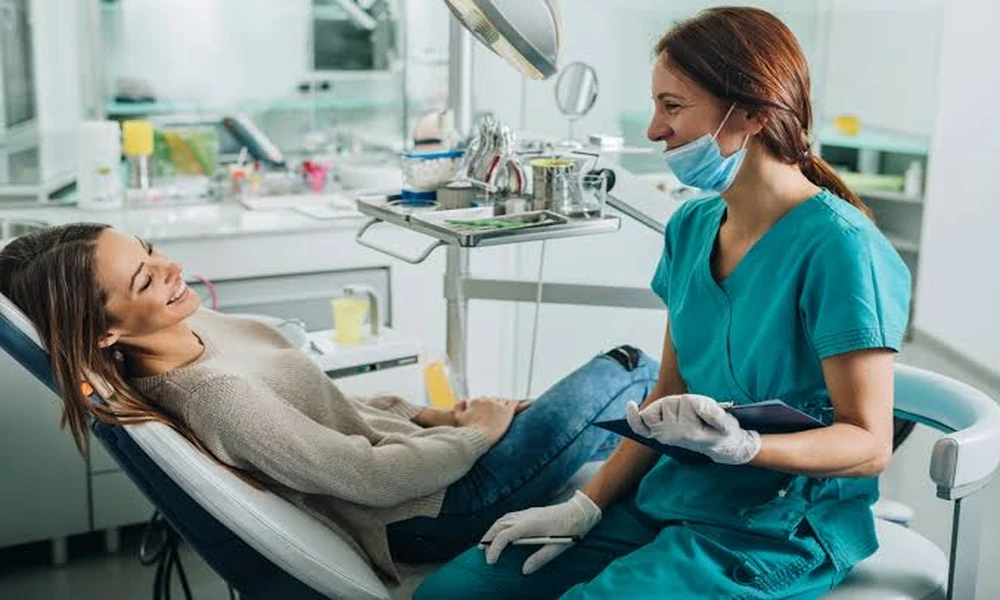
Not every dental problem can be solved with a quick filling or a routine cleaning. Sometimes you need something more involved, an implant, a root canal, gum surgery, or a full smile makeover, and that’s exactly when choosing the right clinic starts to matter a lot more than usual. Picking a dental clinic in Lower Parel for advanced treatment isn’t something to rush into, since the outcome really does depend on who’s doing the work and how it’s planned.
If you’re standing at that decision point right now, here’s what’s actually worth paying attention to before you commit.
Why Advanced Treatments Need a Different Kind of Clinic
Routine dental care and advanced treatment aren’t really the same category of decision. A simple cleaning or filling has a fairly predictable outcome no matter where you go. But something like an implant or a full mouth rehabilitation involves diagnosis, planning, and precision that varies a lot depending on the clinic’s experience and equipment. Get any of that wrong, and you’re not just looking at a redo, you’re looking at complications that take even longer to fix.
This is why it helps to slow down a bit and actually evaluate a clinic properly instead of just picking the nearest one.
What to Actually Look For
Check the Dentist’s Experience With That Specific Treatment
General experience is good, but for advanced procedures, it helps to know the dentist has handled similar cases before, not just dentistry in general. Ask directly if needed. A good clinic won’t hesitate to explain their experience with a particular treatment.
Look at the Technology Being Used
Advanced treatments rely heavily on accurate diagnosis. Tools like digital X-rays, intraoral scanners, and laser dentistry aren’t just nice extras, they genuinely improve precision and reduce guesswork, which matters a lot when you’re dealing with something like implants or root canals.
See How Clearly They Explain Things
A clinic worth trusting will walk you through the diagnosis, the treatment plan, the timeline, and the cost, without rushing or being vague about it. If you’re leaving a consultation with more questions than answers, that’s usually a sign to look elsewhere.
Ask About Their Approach to Preserving Natural Teeth
Good advanced dentistry isn’t just about fixing the immediate problem, it’s about protecting your natural teeth wherever possible. Clinics that lean toward minimally invasive, biomimetic approaches tend to prioritise long-term outcomes over quick fixes.
Read What Other Patients Say
Reviews and testimonials aren’t everything, but a consistent pattern of patients mentioning the same things, clear communication, painless procedures, honest advice, tells you a lot about what to expect.
Why Hygiene and Safety Protocols Matter?
Advanced treatments often involve longer procedures and sometimes minor surgical steps, which makes sterilisation and infection control non-negotiable. A clinic that’s transparent about its safety protocols and hygiene standards is one that takes patient wellbeing seriously, not just the treatment outcome.
This connects to something worth remembering, good long-term oral health isn’t only about the procedure itself, it’s about the entire environment and process around it, something we touched on earlier when talking about why an experienced clinic matters for long-term dental health in general.
What Sets a Clinic Apart for Complex Cases
For treatments like implants, smile design, or restorative work, the difference between an average outcome and a great one usually comes down to planning. At Iridia Dental, treatment is led by Dr. Kulsum Husain, with a strong focus on personalised, facially driven planning rather than one-size-fits-all solutions. Their approach to implant dentistry and restorative and biomimetic dentistry is built around preserving as much of your natural tooth structure as possible, while still solving the problem at hand.
For anyone researching the best dentist in Lower Parel, it’s worth understanding the clinic’s approach before committing to a treatment plan, especially for something as involved as an implant or a smile makeover. If you’re curious about how implants actually work before your first consultation, it’s worth reading through what an endosteal implant involves, since it gives a clearer picture of what the procedure actually looks like.
Making the Final Decision
Choosing a clinic for advanced dental work isn’t something to decide in a rush. Take the time to ask questions, understand the technology and approach being used, and make sure you’re genuinely comfortable with how things are explained to you. A good clinic won’t pressure you into a decision, they’ll help you understand your options clearly enough to choose confidently.
If you’re weighing your options for a dental clinic in Lower Parel that can handle advanced treatment with the right mix of expertise, technology, and patient care, it’s worth booking a consultation and seeing how the team explains your specific case before deciding on anything.
FAQs
What counts as an advanced dental treatment?
Procedures like dental implants, root canals, gum surgery, smile makeovers, and full mouth rehabilitation are generally considered advanced, since they involve more complex planning compared to routine care.
How do I know if a dentist has enough experience for my treatment?
It’s fair to ask directly during your consultation. A good dentist will openly share their experience with similar cases and explain how they’d approach your specific situation.
Does technology really make a difference in advanced treatments?
Yes, tools like digital imaging and intraoral scanners significantly improve diagnostic accuracy, which directly affects how precise and predictable the treatment outcome is.
Why does hygiene matter more for advanced procedures?
Advanced treatments often involve longer appointments and sometimes minor surgical steps, making strict sterilisation and infection control essential to avoid complications.
Should I get a second opinion before starting advanced treatment?
It’s a reasonable step, especially for something significant like implants or full mouth rehabilitation. A second opinion can help confirm the treatment plan or offer additional perspective before you commit.