


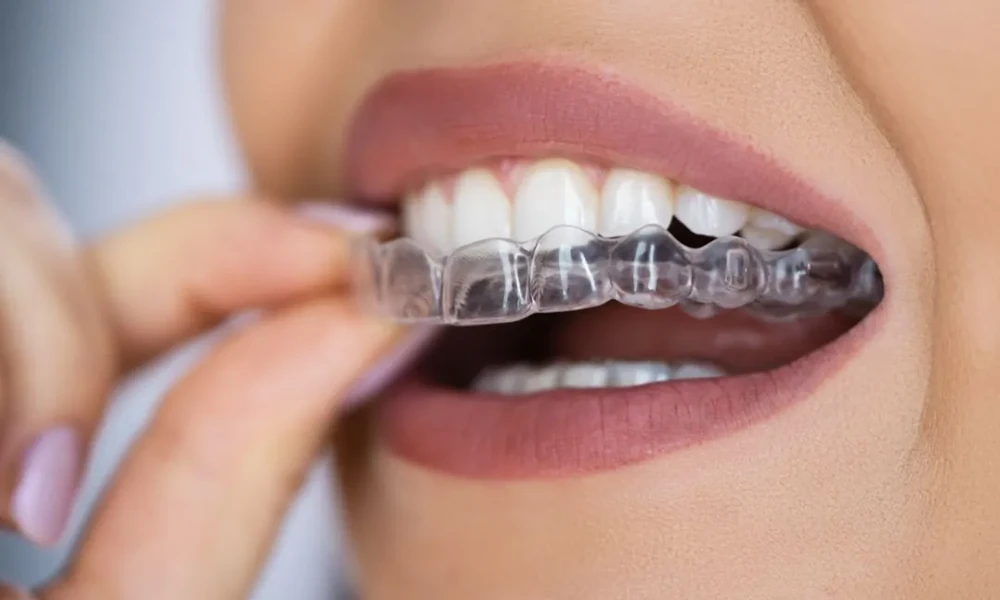
You might be at the point where you are tired of thinking about your teeth every time you smile, eat, or see a photo of yourself. Maybe you have wanted straighter teeth for years, but the thought of metal brackets, food limits, and long appointments has made you put it off. That hesitation is common, and it makes sense. Orthodontic treatment can feel like a big step, especially when you are trying to picture how it will affect daily life. The short version is simple. For many people, clear aligners offer a more flexible, less noticeable, and easier to manage option than braces, though the right choice still depends on your needs and your orthodontist’s guidance. If you are looking for an orthodontist in Chicago, IL, professional guidance can help you decide which treatment fits your goals best.
Because of that tension, you might wonder if choosing clear aligners instead of braces is really worth it. In many cases, the answer is yes. Clear aligners can fit better into work, school, social events, and routines that do not leave much room for extra hassle. They are not perfect for every case, and they do require consistency, but their day to day advantages are hard to ignore.
Why do clear aligners feel easier to live with every day?
One of the biggest reasons people choose aligners is simple. They are easier to wear in a world where you are constantly talking, eating, and moving from one thing to the next. Traditional braces stay on your teeth all the time, which means every meal, snack, and brushing session happens around wires and brackets. Clear aligners are removable, so you take them out to eat and brush, then put them back in.
That can make a real difference. If you have ever worried about spinach stuck in brackets before a meeting, or felt uneasy about cleaning around wires, you already understand the appeal. With aligners, oral hygiene tends to be more straightforward. You can brush and floss your teeth more normally, which may help lower the stress that comes with cleaning around fixed hardware. If you want a general overview of how orthodontic treatment works, MedlinePlus explains orthodontia in clear, practical terms.
So, where does that leave you if convenience matters most? It means aligners often support real life better, especially for adults and teens with busy schedules.
Can clear aligners help you feel less self conscious during treatment?
Yes, and for many people, this is the benefit that tips the scale. Metal braces are effective, but they are visible. That is not a problem for everyone, yet it can feel like a big emotional hurdle if you speak in public, work with clients, go on dates, or simply do not want your treatment to be the first thing people notice.
Clear aligners are designed to be much less noticeable. They sit closely over the teeth, so in many conversations, people may not notice them right away. That small change can have a big emotional effect. When you do not feel like you have to explain your treatment or hide your smile, it becomes easier to stay committed.
This matters more than people sometimes admit. Confidence affects how you show up in the world. If you have been delaying care because you do not want the look of brackets and wires, invisible teeth straightening may feel like a more manageable path forward.
What about comfort and fewer surprises during meals?
Another key advantage is comfort. Braces can irritate the inside of the cheeks and lips, especially after adjustments or if a wire shifts. Aligners do apply pressure, and that pressure is part of how teeth move, but many people find the experience less abrasive because there are no brackets rubbing against soft tissue.
Then there is food. With braces, certain foods can bend wires, break brackets, or get trapped in hard to reach places. Sticky candy, popcorn, and crunchy foods often become a source of stress. Clear aligners remove that issue because you take them out before meals. You can keep eating the foods you enjoy, then brush before putting the trays back in.
If you have concerns about tooth development, bite changes, or related dental issues, this MedlinePlus page on tooth disorders offers helpful background. It is not a replacement for care, but it can help you ask better questions at your visit.
Do clear aligners offer real results, or just more convenience?
Convenience matters, but results matter more. The good news is that clear aligners can be effective for many orthodontic concerns, including crowding, spacing, and some bite issues. Your outcome depends on the complexity of your case, how well the treatment is planned, and whether you wear the aligners as directed.
That last part is important. Because aligners are removable, they only work well if you actually keep them in for the recommended number of hours each day. If you are disciplined, that flexibility becomes a major strength. If you know you are likely to forget or leave them out often, braces may still be the better fit.
Research continues to evaluate how aligners perform in different cases. For readers who want a closer look at current evidence, this PubMed study explores clinical findings related to aligner treatment. The takeaway is not that one option wins every time. It is that treatment should match the person, not just the trend.
How do clear aligners and traditional braces compare in practical terms?
When you are weighing your options, it helps to see the tradeoffs side by side. A good orthodontist will look beyond appearance and talk with you about comfort, habits, cost, and the type of movement your teeth need.
| Factor | Clear Aligners | Traditional Braces |
|---|---|---|
| Appearance | Less noticeable in daily life | More visible due to brackets and wires |
| Eating | Removed for meals, no food restrictions during eating | Some foods should be avoided to prevent damage |
| Cleaning | Brush and floss teeth more normally | Cleaning around brackets takes more time |
| Comfort | No metal rubbing, but trays can feel tight | Can cause irritation after adjustments |
| Discipline Needed | High, must wear as directed each day | Lower, since braces stay in place |
What can you do right now if you are leaning toward aligners?
1. Pay attention to your daily habits. Ask yourself a simple question. Will you really wear aligners as directed, even on busy days? If the answer is yes, you may be a strong candidate. If not, it is better to know that now than halfway through treatment.
2. Write down your top three concerns before your consultation. Maybe you care most about appearance, cost, treatment time, or comfort. When you name your priorities clearly, your provider can help you compare options in a way that feels personal, not generic.
3. Ask for a case specific recommendation. Not every smile moves the same way. Ask which option fits your bite, spacing, or crowding pattern best. That is the heart of good orthodontic care. The goal is not just straighter teeth. It is a treatment plan that works in real life and supports long term oral health.
If you have been putting off treatment because braces felt like too much, that does not mean you have to keep waiting. Clear aligner treatment gives many people a path that feels more natural, more discreet, and easier to manage from day to day. The next step is simply to talk with a qualified orthodontic provider, ask honest questions, and choose the option that fits both your smile and your life.