


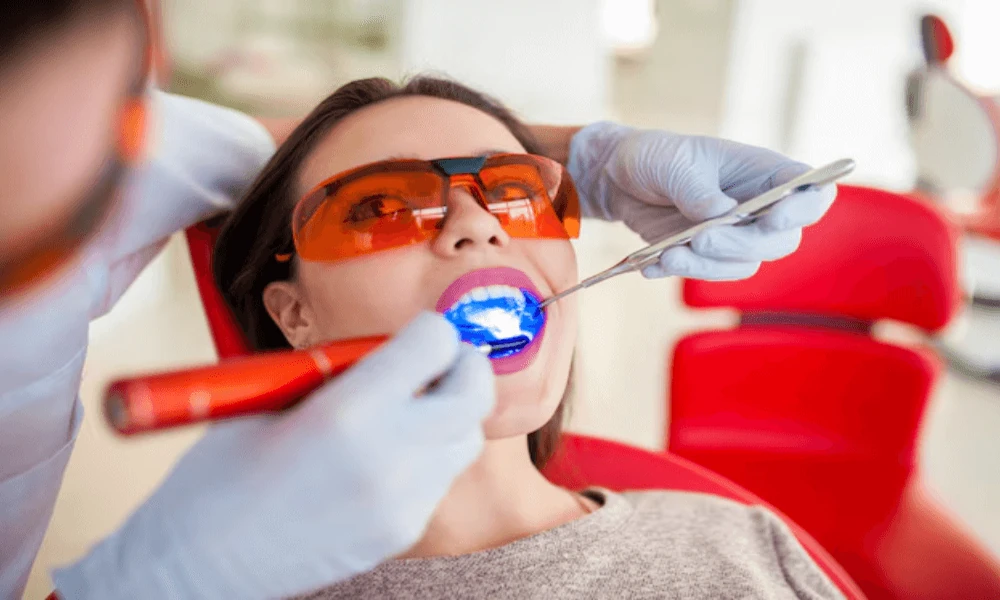
You might be feeling a little torn. On one hand, you want a brighter smile because stained or yellowing teeth can make you feel older, less polished, or simply less like yourself. On the other hand, you may be wondering if professional whitening from a Lutz family dentist is really worth it when store shelves are full of strips, pens, and kits that promise fast results. That tension is real, and it often leaves people stuck between waiting, guessing, and hoping for the best.
Here is the short answer. The main benefits of seeing a dentist for whitening are safer treatment, stronger and more even results, and a plan that fits your teeth rather than a one size fits all product. If you have been weighing your options, those three points tend to matter most once you look past the marketing and focus on your actual smile.
Why do so many people hesitate before choosing professional teeth whitening?
It usually starts with a simple thought. Maybe you notice your teeth in a photo, or you catch your reflection before a meeting, and suddenly the coffee stains or age related discoloration stand out more than they used to. Because of that, you might start searching for quick fixes. The trouble is that whitening is not always as simple as making teeth whiter. Sensitivity, old dental work, uneven color, and gum irritation can all affect the outcome.
That is where a professional teeth whitening approach begins to make sense. A dentist can tell whether your stains are likely to respond well, whether you have cavities or worn enamel that should be treated first, and whether crowns or fillings will look mismatched after whitening. According to the American Dental Association’s guidance on whitening, whitening products are not all the same, and the best choice depends on your oral health and goals.
So, what are the actual benefits that matter most in real life?
How does a dentist help you whiten your teeth more safely?
The first benefit is safety. Whitening agents work by using peroxide based ingredients to break down stains, and while that can be effective, it can also irritate soft tissue or trigger sensitivity if used the wrong way. When a dentist supervises treatment, your gums, enamel, and existing dental work are checked before anything begins. That lowers the chance of avoidable problems.
This matters more than many people expect. If you already have exposed roots, cracked enamel, untreated decay, or gum recession, whitening without an exam can leave you with pain instead of the result you wanted. Research published in the National Library of Medicine found that peroxide based whitening can be effective, but it also points to common side effects such as tooth sensitivity and gum irritation, especially when products are misused or overused. You can review that research here: tooth bleaching evidence review.
When treatment is guided by a general dentist, the process is adjusted to your needs. That may mean a lower concentration, shorter wear time, or a different method altogether. In other words, the goal is not just whiter teeth. It is whiter teeth without creating a new problem.
Can professional whitening give you better and more even results?
Yes, and that is the second major benefit. Store bought kits often rely on generic trays or thin strips that do not sit evenly on every tooth. As a result, some spots whiten more than others, while certain areas are missed entirely. If you have deeper stains from tea, coffee, tobacco, or age, those products may also fall short.
With dentist teeth whitening benefits, the advantage is precision. A dentist can choose the right system, protect the gum tissue, and make sure the whitening agent reaches the areas that need it most. That often leads to a brighter, more uniform result. It also saves time spent cycling through products that never quite deliver.
There is another point worth considering. Some discoloration is not caused by surface stains alone. If the shade difference comes from trauma, medication, or internal changes in the tooth, whitening may need a different plan. A dentist can spot that quickly, which helps you avoid spending money on products that were never likely to work.
What makes professional care feel more personal and predictable?
The third benefit is customization. Your smile is not the same as anyone else’s, and your whitening plan should reflect that. Some people want a small lift for a natural look. Others are preparing for photos, interviews, weddings, or public facing work and want a more noticeable change. A dentist can help set realistic expectations so you know what is possible before you begin.
This is especially helpful if you already have bonding, crowns, or fillings. Those materials do not whiten the same way natural enamel does, which means your final result may need extra planning to look balanced. The ADA’s policies on direct to consumer dental services also reflect a larger concern about care delivered without a proper dentist patient relationship. When treatment is personalized, your results tend to be more predictable and your risks easier to manage.
How does professional whitening compare with DIY options?
If you are still weighing convenience against quality, a side by side view can help.
| Factor | DIY Whitening Products | Professional Whitening by a Dentist |
|---|---|---|
| Safety check before treatment | Usually none | Dental exam can identify decay, gum issues, and sensitivity risks |
| Fit and application | Generic strips or trays | More controlled placement and better gum protection |
| Results | Can be uneven or limited | Often brighter and more uniform |
| Support if side effects happen | Little to none | Treatment can be adjusted if sensitivity or irritation occurs |
| Best for complex staining | Often less effective | Better for tailored treatment and realistic planning |
What can you do right now if you are thinking about whitening?
1. Check the cause of the discoloration.
Before buying anything, pay attention to what may be driving the color change. Coffee, red wine, tobacco, age, medication, and old dental work can all play a part. Knowing the likely cause helps you choose the right path instead of chasing a result that may not come from over the counter products alone.
2. Schedule a basic dental exam first.
This step can save you discomfort and wasted money. A general dentist can tell you whether whitening is appropriate now, whether another issue should be treated first, and what kind of result is realistic for your teeth.
3. Ask about both in office and take home options.
Professional care does not always mean a single approach. Depending on your goals, your dentist may suggest an in office treatment, custom take home trays, or a combination. That flexibility is one reason teeth whitening by a professional dentist tends to feel more predictable and less stressful.
So, where does that leave you?
If your smile has been bothering you, you are not being vain, and you are not overthinking it. Feeling good about your teeth can affect how freely you speak, laugh, and show up in daily life. The right whitening plan should protect your oral health while helping you get a result that looks clean, even, and natural.
Among the many benefits of professional whitening, the biggest ones are safety, better results, and treatment that is shaped around your mouth rather than a generic product. If you are ready to explore your options, start with a visit to a general dentist and get clear guidance before you commit to any whitening method.