


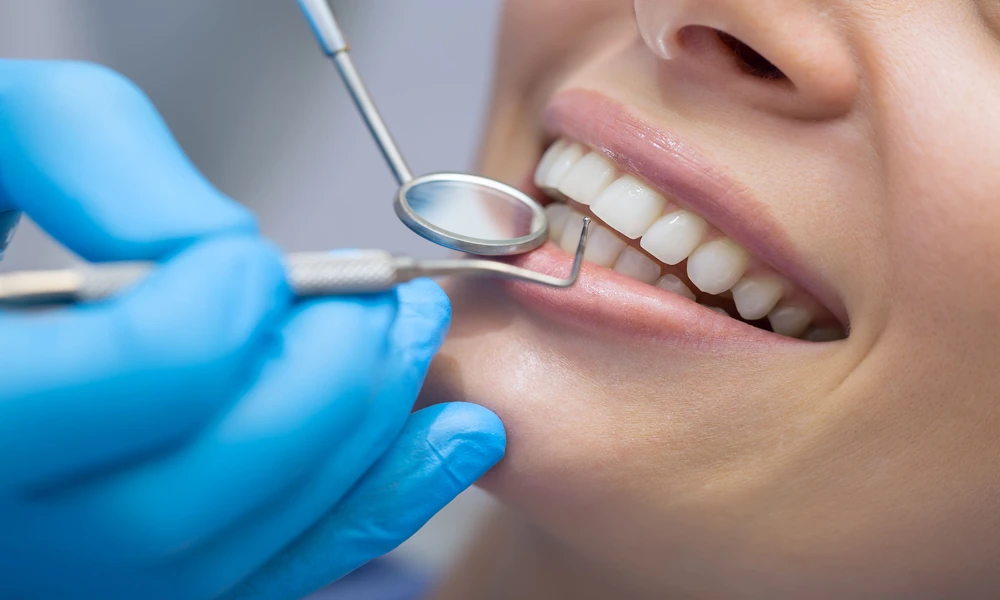
You brush, you floss, and then one small spot between two teeth keeps giving off a bad smell. That kind of thing gets in your head fast. You start checking it with floss, wondering if food is stuck there, or if something deeper is going on. When the odor keeps coming back from the same interdental area, it usually is not random. It often points to a local problem that deserves a closer look from a Turlock dentist.
A smell from one space between teeth can help a general dentist narrow down where to examine first. The cause may be trapped debris, a cavity between teeth, gum inflammation, a failing filling, or an early periodontal pocket. The smell matters because it gives a clue about the exact site of trouble. That does not mean the issue is severe, but it does mean the area should not be ignored.
Persistent interdental odor often points to a local dental problem
Bad breath can come from many sources, including dry mouth, tongue coating, certain foods, and sinus issues. Bad breath information from MedlinePlus explains that oral conditions are a common cause. When the odor comes from one exact spot, though, the pattern changes. A site specific smell often means bacteria are collecting in a place that is hard to clean or hidden from view.
You may notice it when floss snaps into a space and comes out with an odor, or when you press near the gumline and the smell is stronger there. That can happen when plaque and food collect under the contact point between teeth. It can also happen when a filling has an open margin, when decay forms between teeth, or when gum tissue starts pulling away and creates a pocket where bacteria thrive.
This is where odor between teeth as a dental clue becomes useful. The smell itself is not the diagnosis. It is the map. It tells the dentist where to look more closely with light, magnification, floss, periodontal measurements, and dental X-rays if needed.
Why one smelly area can reveal decay, gum disease, or a failing restoration
Bacteria break down proteins and trapped particles, and that process releases sulfur compounds. If that breakdown keeps happening in one tight space, the source is often local and mechanical. Something is retaining plaque or food. A rough edge on a crown, a slightly open filling, a cavity tucked between teeth, or inflamed gum tissue can all create the same pattern.
Gum disease is one common reason. Inflamed gums bleed more easily, hold more plaque, and can develop deeper spaces around the tooth. The NIH overview on gum disease and the CDC page on periodontal disease both describe how bacterial buildup around the gums can lead to infection and tissue damage. A bad smell from floss in one area can be an early warning sign before pain starts.
Decay between teeth can be even harder to catch on your own. You may not see anything in the mirror. You may not feel a hole with your tongue. Yet the space can hold fermenting debris and bacteria every day. If an old filling or crown is involved, the restoration may look fine from the outside while leaking or trapping plaque at the edge.
Smell from one interdental area can also show up around wisdom teeth, crowded teeth, or places where gums have receded. In those spots, cleaning gets harder, and the bacteria win more often.
A targeted dental examination can save time, money, and discomfort
When you tell a dentist that one exact area smells bad, that detail helps. The exam becomes more focused. Instead of treating it like general bad breath, the dentist can check the contact between the teeth, test the gums around that site, inspect old dental work, and compare the area to neighboring teeth.
That matters because small problems are usually easier to fix. Early gum inflammation may improve with a professional cleaning and better home care. A small cavity may need a simpler filling than a larger one that is left alone. A rough or leaking restoration may be repaired or replaced before it leads to deeper decay.
If you wait until there is pain, swelling, or a bad taste that spreads through the mouth, the treatment often gets more involved. That can mean more time, more cost, and more stress. The smell is unpleasant, but it is also useful information.
Home care and a professional dental exam do different jobs
| What you notice or do | What it may help with | What it cannot confirm |
|---|---|---|
| Flossing one area and noticing odor on the floss | Identifies the exact site of concern | Whether the cause is decay, gum pocketing, or a faulty filling |
| Brushing and flossing more often | Removes some plaque and trapped food | Whether bacteria are collecting below the gumline or inside a cavity |
| Mouthwash | Reduces odor for a short time | The structural reason the odor keeps returning |
| General dentist examination | Checks gum health, restorations, contact points, and visible decay | May still need X-rays for hidden areas |
| Dental X-rays and periodontal measurements | Finds decay between teeth and deeper gum issues | Cannot replace daily home care after treatment |
This is why interdental odor and dental examination belong together. Home care can reveal the pattern, but a dental exam explains the cause.
Three practical steps you can take right now
Track the exact spot. Notice which teeth are involved, whether the odor is on floss, and whether there is bleeding, tenderness, or food packing. Specific details help the dentist find the source faster.
Clean the area gently and consistently. Floss once a day, guide the floss under the gumline without snapping it, and brush along the gumline. Do not attack the spot aggressively. Overdoing it can irritate the tissue and make the area feel worse.
Schedule a general dentist visit before pain starts. If the smell keeps returning from the same place for more than a few days, or if you notice bleeding, swelling, or a bad taste, get it checked. A focused exam can catch a small problem before it turns into a larger one.
One small odor can be an early warning worth hearing
A persistent smell from one space between teeth is not something to panic over, and it is not something to brush off. It often gives a clear clue that one tooth, one filling, or one section of gum tissue needs attention. When you act on that clue early, you give yourself the best chance of simpler treatment and a healthier mouth.
If one interdental area keeps smelling bad, book a visit with a general dentist and have that exact spot examined.