


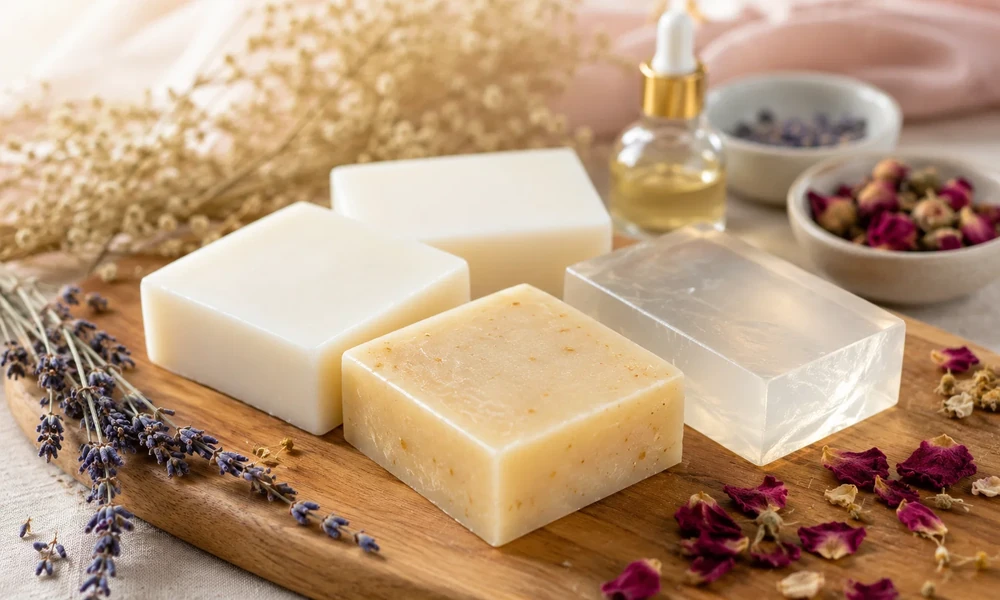
Ideally parents consider buying antibacterial soap to protect their child from harmful environmental germs is wise. But it is not such a wise choice according to pediatrics who consider these soaps a bit harsh for a baby’s skin. It might be harsh rather than beneficial because most antibacterial soaps use strong antibacterial agents which are not suitable for a child’s skin.
These strong acting antibacterial soaps are not an ideal choice for people with sensitive skin. Young children and people with sensitive skin have a very delicate skin and epidermal barrier is quite sensitive which makes harsh chemical ingredients unsuitable for them.
Traditional antibacterial soap formulations usually use harsh active antibacterial agents, synthetic fragrances, and harsh surfactants. These formulations might be able to cleanse the surface bacteria completely but they might also disrupt the skin barrier and destroy skin’s microbial flora completely which also contains good bacteria.
Now this damaged skin could result in excessive dryness, skin rash or irritation and sometimes painful eczema flare-ups. Most people advise using antibacterial soaps in moderation for sensitive skin types and for kids it should be mostly avoided.
Understanding kid’s skin and sensitive skin
Kids have very soft and delicate skin. It is different from an adult’s skin as it is way more thinner than adult skin which increases permeability of chemical substances more into kids skin.
This makes their skin more vulnerable and at risk to harsh chemical ingredients. Their skin is not as developed as adults and has less acidic pH. A child’s skin has not fully mature lipid barrier that is why their skin might get dry easily after using a harsh antibacterial soap. This could result in skin allergies, dryness and skin inflammation.
Sensitive skin types have a compromised skin barrier which makes their skin prone to irritation, inflammation and redness. Their skin might react to environmental stress, skincare products, climate change and many more factors. This compromised skin makes it difficult to use a harsh chemical based antibacterial soap. It could cause skin dryness and damage the moisture barrier completely. This could even result in eczema and dermatitis like skin problems.
So it is better to think wisely while buying antibacterial soap for kids and even sensitive skin types.
How antibacterial soaps work?
Unlike regular soap bars that work by removing dirt and microbes by dissolving them from the skin to wash them off, antibacterial soaps use certain chemical agents to actively kill or stop the growth of microorganisms and bacteria.
These soap bars are formulated with chemical active ingredients which by disrupting the cellular walls of microscopic cells. This kills the bacterial infection. This is why they can be so disruptive and fragile to skin barriers of a child or individual with sensitive skin.
Antibacterial soaps for kids
Most pediatrics and dermatologists recommend using delicate nourishing bars for kids instead of a strong antibacterial soap. It is advised to avoid complete antibacterial soaps for kids without any nourishing ingredients. Regular nourishing bars easily remove the dirt and other impurities from the skin.
To get rid of any bacterial infections from kids skin you can use a soap which might have some mild antibacterial properties along with proper skin moisturization for a kid. It should always be used after consulting a dermatologist.
Ingredients you can consider
- Glycerin: It is a suitable choice of ingredient for a kid’s skin. It helps in gently softening and hydrating a kid’s skin. It helps in giving a soft moisturizing effect to a kid’s skin.
- Coconut oil: It is suitable for kids as it helps in nourishing the skin and provides balanced moisture to the skin. It is rich in nourishing fatty acids which provide moisture to the skin.
- Neem oil: Only a very diluted form of neem could be considered safe for children. It is an antibacterial agent that would help in killing any foreign microbe or bacteria from a kid’s skin without causing any skin dryness or irritation.
- Fruit extracts: Use soap bars with good fruit extracts that help in nourishing and hydrating the skin along with providing a refreshing effect.
Antibacterial soaps for sensitive skin
Sensitive skin types must avoid traditional antibacterial soaps that contain harsh surfactants and strong chemical antibacterial agents. They must opt for a gentle cleansing soap with mild antibacterial agents instead of harsh ones. This kind of soap would help in clearing the bacterial infection from the skin along with supporting skin barrier.
Ingredients to consider
- Neem: It is the most effective and safe choice of antibacterial agent. use d in moderation and diluted form neem would help in killing the bacterial infections of the skin and also provide soothing effects to the skin. It would reduce any flare ups from the skin and calm it down.
- Turmeric: A turmeric soap would help in cleansing the skin and fading the pigmentation from the skin which would make it ideal as a skin whitening soap also. It would provide antiseptic and mild antibacterial action for the sensitive skin.
- Aloe vera: It is a hydrating agent which replenishes the skin and provides a gentle and soft feel to the skin. It keeps skin calm and relaxed from irritation.
Wrapping up
Antibacterial soaps must be ideal for others but harsh soaps are not advised for kids and sensitive skin types. Kids have a very delicate skin and they require nourishing soaps that keep their skin protected. Mild antibacterial agents could be incorporated in soap for kids. For sensitive skin it is better to use a soap with mild and natural antibacterial agents instead of harsh ones. Incorporate some hydrating ingredients as well.