


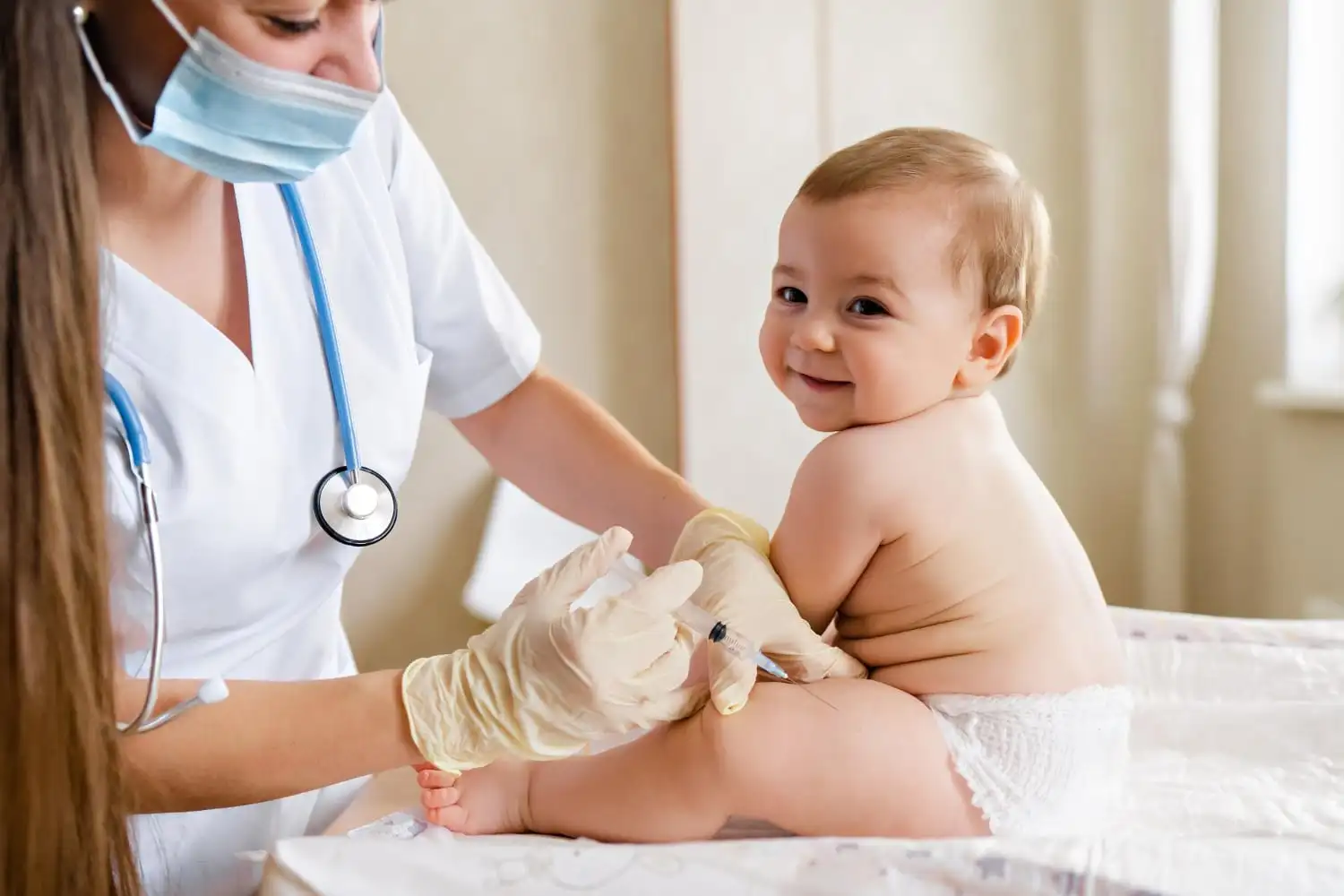
Parents sometimes miss their child’s scheduled vaccination appointments. Life gets busy with work, illness, or family matters. These delays might seem harmless at first, but they can leave your baby without proper protection against serious diseases.
Why Vaccination Timing Matters
Baby vaccination schedules exist for good reasons. Doctors design these timelines based on when infants are most at risk from certain illnesses. Newborns receive protection from their mothers during pregnancy, but this shield fades quickly. Vaccines step in to build your baby’s own defences before they lose that natural cover.
When you delay a vaccine, you create a gap in protection. During this window, your child faces higher risks of catching diseases like whooping cough, measles, or rotavirus. These illnesses can be severe in young babies who lack immunity.
The First Year Is Critical
Infants face the greatest danger during their first twelve months. Their immune systems are still learning to fight off germs. This makes them easy targets for infections that older children handle better. The early vaccine doses help train their bodies to recognise and attack these threats.
Missing even one appointment can push back the entire schedule. Some vaccines need multiple doses to work properly. If you skip the second or third dose, the earlier shots might not provide full protection.
Common Reasons For Delays
Many parents postpone baby vaccination appointments when their child has a cold or fever. Whilst this seems sensible, most mild illnesses don’t require delays. Your doctor can advise whether your baby is too unwell for their jabs.
Transport problems, forgotten appointments, or conflicting schedules also lead to delays. Some parents worry about side effects or question whether their baby needs so many vaccines at once. These concerns are natural, but they shouldn’t prevent timely immunisation.
When Your Baby Gets Sick
Children with minor coughs or runny noses can usually receive their vaccines safely. Serious illness might require postponing, but this is rare. Always contact your surgery to check rather than assuming you should wait.
The Ripple Effect On Community Health
Your baby’s vaccination status affects more than just your family. When enough children miss their jabs, diseases can spread more easily. This puts other vulnerable babies at risk, including those too young for certain vaccines or children who can’t receive them due to health conditions.
Areas with lower vaccination rates often see outbreaks of preventable diseases. These situations could be avoided if more families kept up with their immunisation schedules.
Getting Back On Track
If your baby has fallen behind on vaccines, don’t panic. You can catch up with a revised schedule. Contact your health visitor or GP surgery to arrange the missing doses. They’ll work out the safest way to get your child protected without overwhelming their immune system.
Most surgeries send reminders for upcoming appointments. Set your own alerts as backup. Keep a record of which vaccines your baby has received and when the next ones are due.
Making Appointments Work
Choose appointment times that fit your routine. Morning slots might work better if your baby naps in the afternoon. Some clinics offer evening or weekend sessions for working parents.
If you need to cancel, rebook straight away whilst you’re on the phone. This prevents the appointment from slipping your mind later.
Understanding Side Effects
Mild reactions like redness, swelling, or slight fever are common after baby vaccination. These signs show the immune system is responding as it should. They usually clear up within a day or two.
Serious side effects are extremely rare. The risks from vaccine-preventable diseases far outweigh the small chance of a bad reaction. Your health team can answer specific concerns about your child’s health history.
Moving Forward
Keeping your baby’s vaccinations on schedule gives them the strongest protection possible. Mark important dates in your calendar and treat them as essential appointments. If delays happen, act quickly to get back on track.
Your baby deserves the best start in life. Timely vaccination is one of the most effective ways to keep them healthy and safe from dangerous diseases.